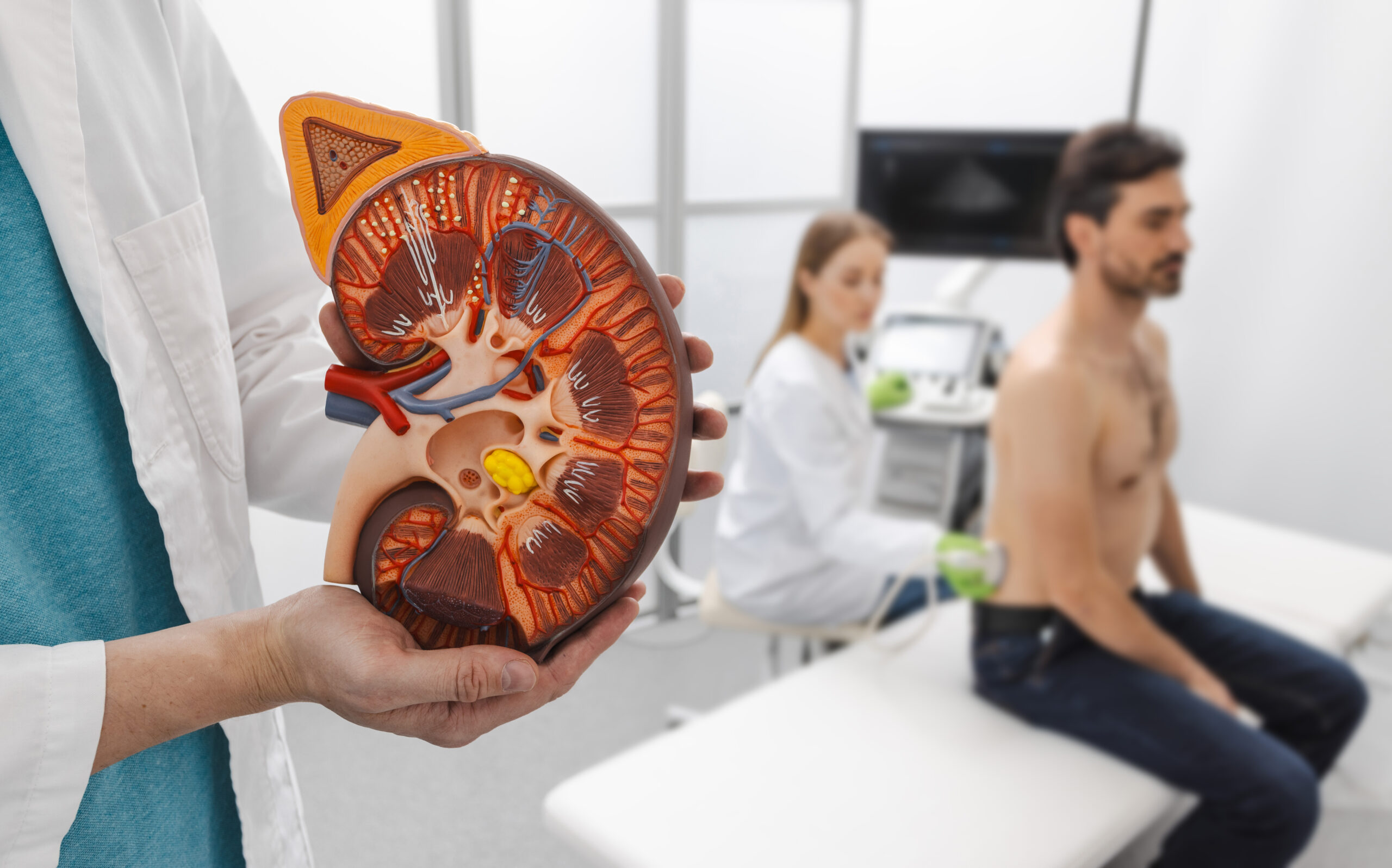

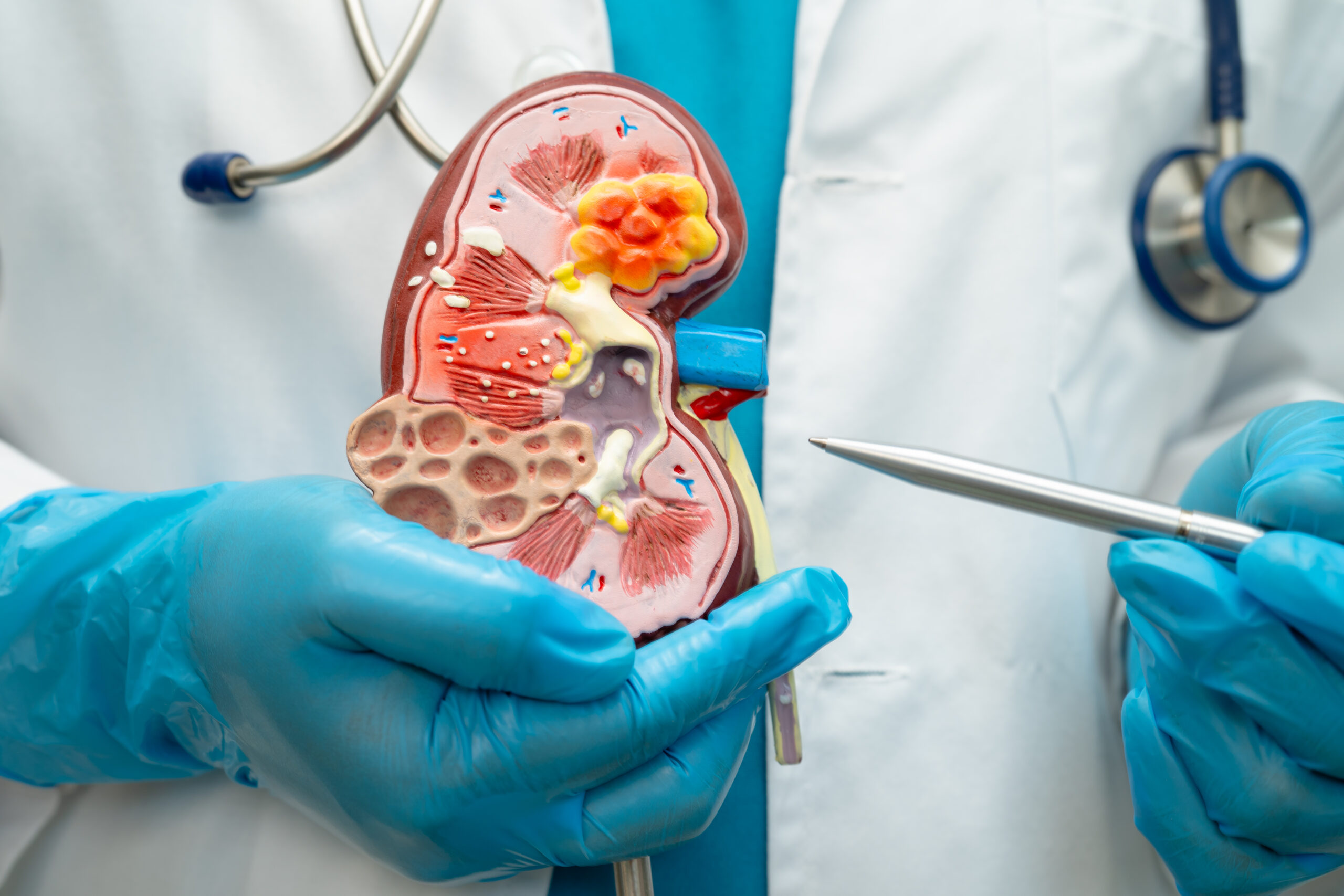
Kidney stones, medically known as nephrolithiasis, are one of the most agonising conditions a human being can experience. Often described by patients as pain worse than childbirth or broken bones, kidney stones affect millions of people worldwide every year. However, kidney stones don’t just appear out of nowhere. Your body often sends subtle and sometimes not-so-subtle signals before the condition becomes a full-blown medical emergency.
At the practice of Dr. Ramesh Urologist, we believe that education is the first step in prevention. Understanding the early signs of kidney stones can help you seek treatment early, potentially avoiding the need for invasive surgery. In this comprehensive guide, we will dive deep into the symptoms, the differences between gender-specific pains, and exactly when you should head to the emergency room.
1. The Anatomy of Kidney Stone Pain: Renal Colic
When a stone moves from the kidney into the ureter (the narrow tube that carries urine to the bladder), it can cause a blockage. This blockage leads to pressure buildup in the kidney, resulting in a specific type of pain known as renal colic.
Severe Flank Pain
The most tell-tale sign is severe flank pain. The flank is the area on your back, just below the ribcage. This isn’t a dull muscle ache; it is a sharp pain in the side and back that can feel like a hot knife. Because the kidney is stretching under pressure, the pain is often internal and impossible to “stretch out” or find relief through posture changes.
Waves of Intense Pain
One of the most unique characteristics of kidney stone discomfort is that it comes in waves of intense pain. You might feel relatively fine for twenty minutes, only to be doubled over in agony the next. These fluctuations occur as the ureter contracts in an attempt to push the stone out. These paroxysms are the hallmark of kidney stones.
2. Tracking the Path: Radiating Pain
As the stone travels, so does the pain. This is a crucial early warning sign of stones moving through your system.
Lower back pain on one side: Initially, the pain is localized to the side of the affected kidney.
Pain radiating to the groin: As the stone moves lower in the ureter, the pain often shifts downward toward the lower abdomen and the groin area.
Testicle pain from kidney stones: In men, the nerves that travel to the kidneys are closely related to the nerves in the scrotum. It is very common for men to feel intense discomfort in the testicles even if the stone is still higher up in the urinary tract.
3. Kidney Stone Symptoms in Men vs. Women
While the primary symptoms are similar, there are distinct differences in how genders experience the onset of kidney stones.
Early Signs of Kidney Stones in Women
For women, the pain can be deceptive. It often manifests as pelvic pain that mimics menstrual cramps or even ovarian cysts. Furthermore, pregnancy and kidney stone pain is a specialized concern. During pregnancy, the ureters naturally dilate, which can make it easier for stones to form but harder to diagnose because the pain is often attributed to the growing baby or normal pregnancy aches.
Kidney Stone Symptoms in Men
Men are statistically more likely to develop kidney stones. Beyond the flank pain, men should watch for referred testicle pain and extreme difficulty urinating, which can sometimes be confused with prostate issues or a hernia.
4. Kidney Stone vs. Back Pain: How to Tell the Difference
Many patients come to Dr. Ramesh’s clinic thinking they have pulled a muscle. Distinguishing between the two is vital for proper treatment
| Feature | Kidney Stone Pain | Muscular Back Pain |
| Location | Deep, internal, flank area. | Surface level, lower back/spine. |
| Movement | Pain persists regardless of position. | Hurts more when bending or lifting. |
| Intensity | Waves of intense pain. | Consistent, dull, or throbbing. |
| Other Symptoms | Nausea, blood in urine, fever. | None (usually localized). |
How to tell if it’s a kidney stone or back pain? If you cannot find a comfortable position to sit or lie down in, it is likely a kidney stone. Muscular pain usually finds relief when the muscle is at rest.
5. Emergency Symptoms: When to Go to the ER
Not every kidney stone requires a trip to the hospital, but some kidney stone emergency symptoms should never be ignored. If you experience any of the following, seek immediate medical attention:
High fever with flank pain: This is a major sign of kidney stone infection (pyelonephritis), which can lead to life-threatening sepsis.
Persistent vomiting and kidney pain: If you cannot keep fluids or pain medication down, you are at risk of severe dehydration.
Blocked kidney symptoms: If you are unable to pass any urine at all, the stone is likely causing a total obstruction. This is a medical emergency that can lead to permanent kidney damage.
Sharp abdominal cramping with chills: This indicates your body is fighting a significant inflammatory or infectious process.
6. Urinary Changes and Discomfort
Aside from pain, your urine itself provides clues. Early signs of kidney stones often involve:
Hematuria: Pink, red, or brown urine (blood). This occurs as the stone’s jagged edges scratch the lining of the ureter.
Frequency and Urgency: Feeling like you need to go constantly, but only producing a small amount. This usually happens when the stone is near the bladder.
Dysuria: A burning sensation during urination. This is where the difference between UTI and kidney stones becomes thin; however, stones are usually accompanied by flank pain, whereas a UTI is often localized to the bladder area.
Cloudy or Foul-Smelling Urine: A sign that there may be an underlying infection or high concentrations of minerals.
7. The Dull Ache Phase
Before the stone enters the ureter, it may sit in the kidney for months. During this time, you might experience a dull ache in the kidneys. It feels like a heavy pressure in your back that doesn’t quite go away. This is the best time to see a urologist, as the stone may be treated with non-invasive methods like shockwave therapy before it causes an emergency.
8. Diagnosis and Modern Treatments
If you suspect you have a stone, diagnostic imaging is the only way to be sure. At Dr. Ramesh’s clinic, we use:
Low-dose CT Scans: The gold standard for identifying stone size and location.
Ultrasounds: A radiation-free way to check for blocked kidney symptoms.
Treatment ranges from “Medical Expulsive Therapy” (medications to relax the ureter) to advanced Laser Lithotripsy, where a tiny fibre breaks the stone into dust.
Frequently Asked Questions (FAQs)
Q1: Can kidney stones cause pain in the testicles?
A: Yes. Due to shared nerve pathways, men often experience referred pain in the scrotum or testicles as a stone moves through the lower ureter.
Q2: What is the first warning sign of a kidney stone?
A: Often, the first sign is a dull ache in the kidneys or lower back, combined with a sudden change in urinary frequency or the appearance of cloudy urine.
Q3: How do I know if it’s a kidney stone or a UTI?
A: While both cause burning during urination, kidney stones typically involve severe flank pain and waves of intense pain, whereas a UTI focuses on pelvic pressure and stinging.
Q4: Is a kidney stone an emergency?
A: It becomes an emergency if you have a high fever with flank pain, can’t stop vomiting, or are unable to pass urine. These are signs of kidney stone infection or total obstruction.
Q5: Can I have a kidney stone without pain?
A: Yes. Silent stones can grow quite large in the kidney without causing pain until they move or cause a blockage. Regular checkups are recommended if you have a family history.
Conclusion: Don’t Wait for the Pain to Become Unbearable
The early signs of kidney stones are your body’s way of asking for help. Ignoring a sharp pain in the side and back or persistent vomiting and kidney pain can lead to complications that are much harder to treat. If you are experiencing any of these red flags, contact Dr. Ramesh Urologist today. Early diagnosis means more treatment options and a faster path to a pain-free life. Vist website to schedule your consultation.