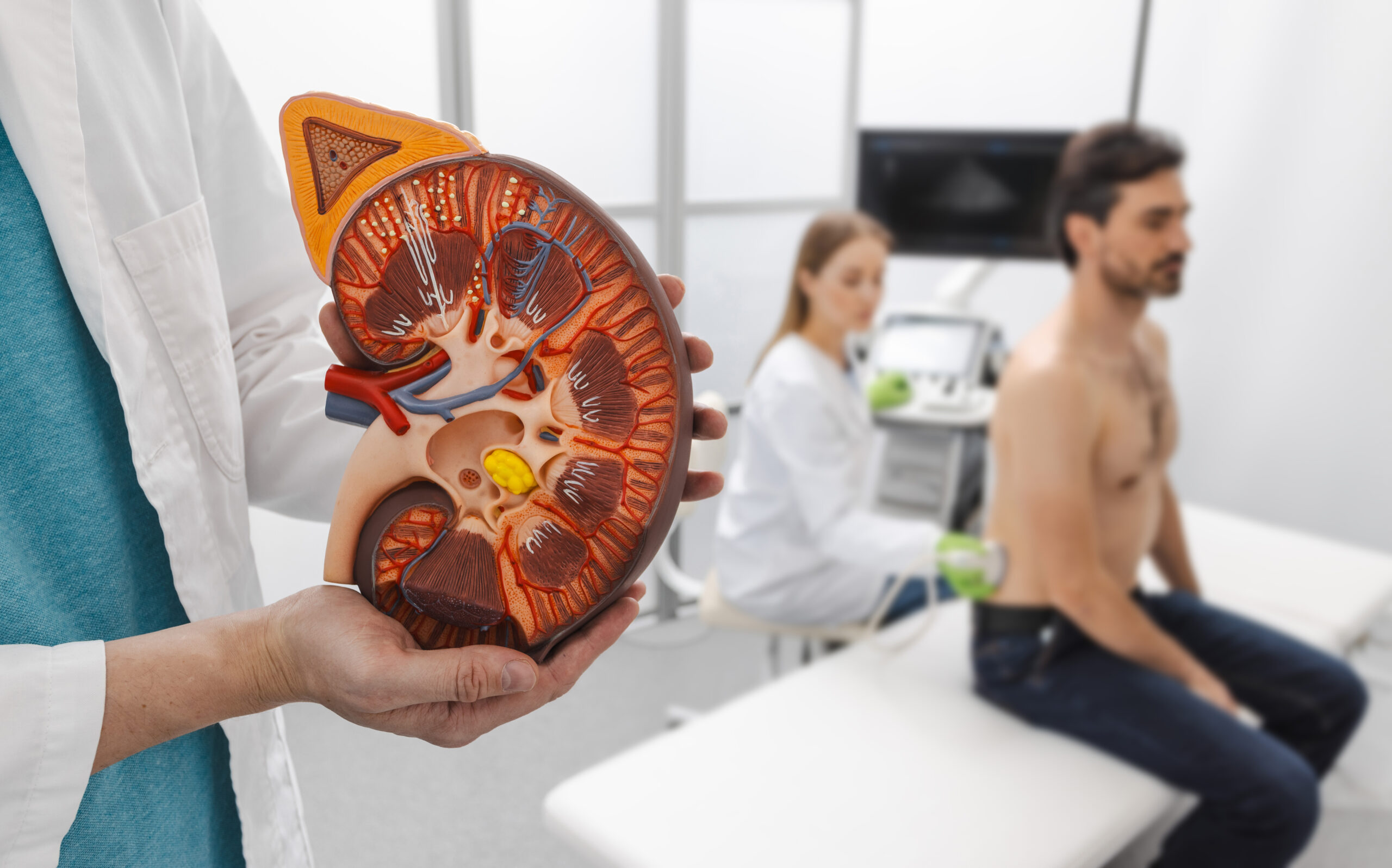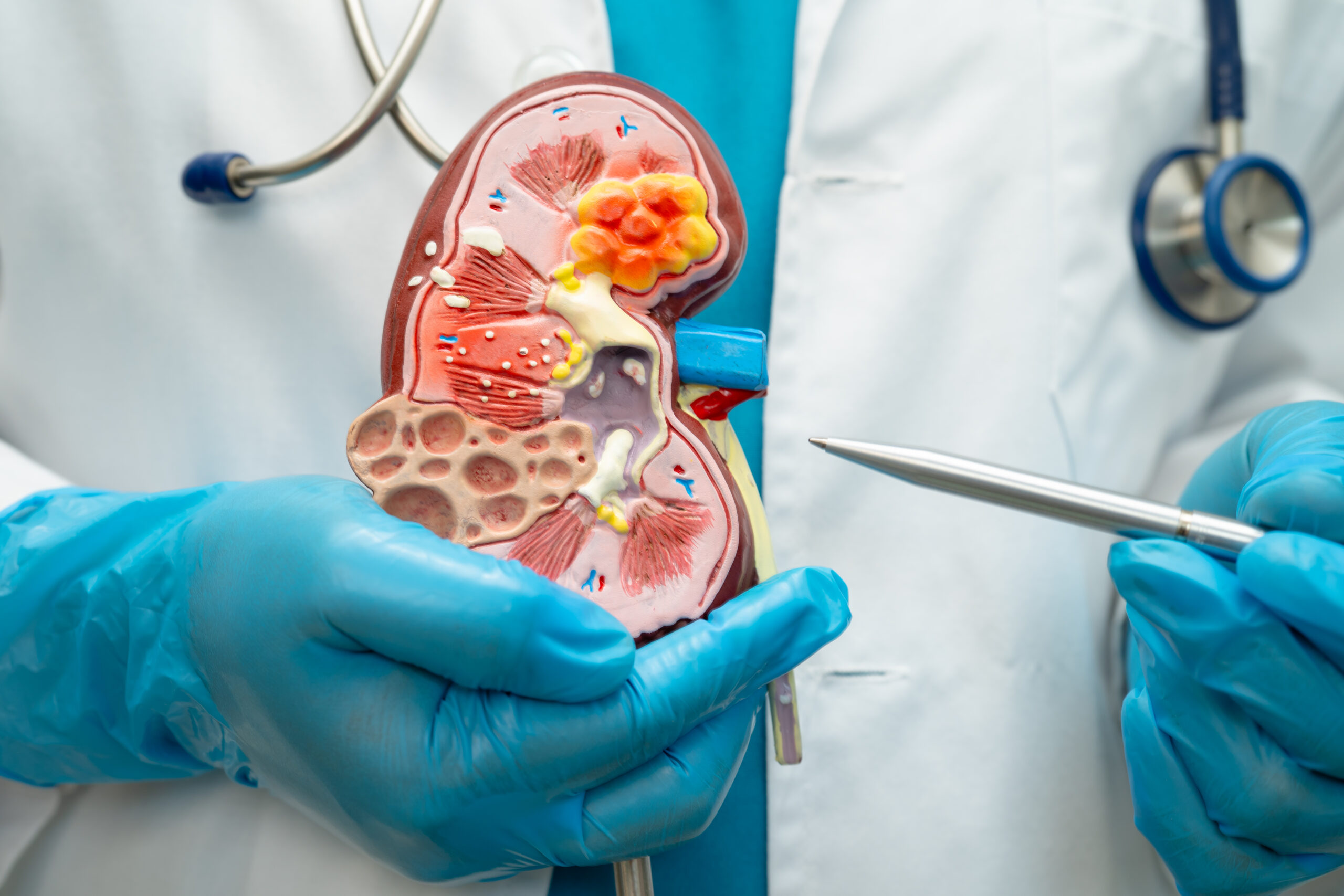

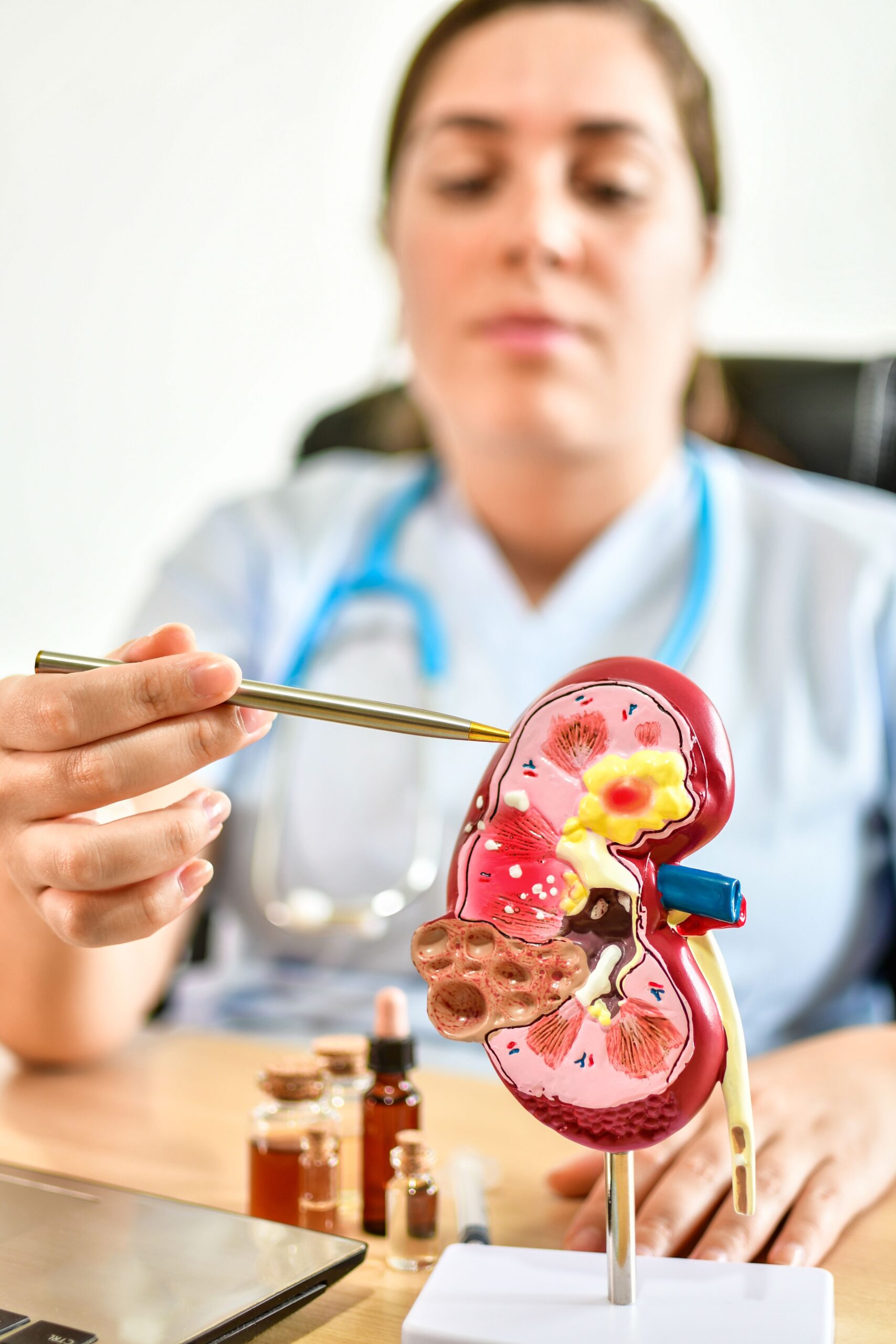
Imagine waking up in the middle of the night with an agonising, sharp pain in your side that makes it impossible to find a comfortable position. For thousands of residents across Bangalore, this scenario is an all-too-common reality. Kidney stones, hard mineral deposits that form inside your kidneys, are becoming alarmingly prevalent throughout the IT capital of India.
While a kidney stone can stay silent while developing inside the renal calyx, the moment it shifts or obstructs urine flow, it causes intense pain and distress. Recognising early warning signs before a minor mineral crystal escalates into an emergency medical situation is critical.
In this comprehensive guide, Dr Ramesh Hanumegowda, a leading urologist and certified robotic surgeon in Bangalore with over 15 years of experience, outlines the 10 early signs of kidney stones you must never ignore, along with local risk factors, prevention strategies, and advanced scarless laser treatment options.
Why Are Kidney Stones Increasing Rapidly in Bangalore?
Bangalore’s unique climate, urban lifestyle, and water supply profile contribute significantly to the high incidence of renal calculi (kidney stones) among tech professionals, corporate employees, and residents alike.
-
1. Borewell Hard Water Dependence: Bangalore’s water supply in rapidly growing tech hubs like Whitefield, Sarjapur, Bellandur, and Electronic City relies heavily on groundwater borewells. Hard water contains elevated concentrations of dissolved calcium and magnesium salts. While hard water alone isn’t the sole cause, high mineral intake combined with low daily fluid consumption creates ideal conditions for stone crystallization.
-
2. AC Office Dehydration & Sedentary Work: The sedentary nature of software and desk jobs leads many professionals to spend 8 to 10 hours daily in climate-controlled, air-conditioned offices. Air conditioning suppresses perceived thirst, leading to reduced water intake throughout the day. Concentrated urine allows calcium, oxalate, and uric acid to precipitate.
-
3. Seasonal Temperature Swings: Bangalore experiences prolonged dry and warm months where subtle dehydration goes unnoticed. Increased perspiration without proportional fluid replacement quickly raises urine saturation levels.
10 Early Warning Signs of Kidney Stones You Should Never Ignore
Catching kidney stone symptoms early in Bangalore can save you from excruciating renal colic and potential kidney infection. Pay close attention to these 10 physical red flags:
1. Sharp, Stabbing Pain in the Back, Side, or Lower Abdomen (Renal Colic)
Kidney stone pain is widely described as one of the most intense physical sensations a person can experience. It typically starts as a sudden, sharp ache in your flank (the side of your back, just under your ribs). As the stone moves down the ureter toward the bladder, the pain shifts to your lower abdomen and groin area. Unlike muscular back pain, kidney stone pain comes in intense waves (spasms) lasting anywhere from 20 to 60 minutes.
2. Pain or Severe Burning Sensation During Urination (Dysuria)
When a stone reaches the junction between the ureter and the urinary bladder (the ureterovesical junction), urination becomes extremely uncomfortable. You may feel a sharp, burning prickling sensation near the tip of the urethra during or immediately after passing urine. This symptom is frequently mistaken for a urinary tract infection (UTI).
3. Pink, Red, or Brown Discolored Urine (Hematuria)
Healthy urine ranges from pale yellow to clear. When a rough, sharp kidney stone moves across the delicate lining of the urinary tract, it causes micro-tears and internal bleeding. This results in hematuria, turning your urine light pink, bright red, or brownish tea-colored. Even if blood is only visible once, it warrants immediate medical evaluation.
4. Cloudy, Turbid, or Foul-Smelling Urine
Normal urine is transparent and virtually odorless. If your urine appears cloudy, milky, or emits a strong, pungent odor, it indicates either high mineral crystallization or a secondary urinary tract infection caused by stagnant urine blocked behind the stone.
5. Persistent Urgency and Frequent Urination in Small Amounts
If you suddenly feel the urge to run to the restroom every 15 to 30 minutes, only to pass a few drops of urine, a stone may be irritating the base of your bladder. The stone tricks your bladder walls into feeling constantly full.
6. Unexplained Nausea and Persistent Vomiting
It is common for patients with kidney stones to experience severe gastrointestinal distress. The kidneys and the gastrointestinal tract share nerve networks (splanchnic nerve pathways). When a stone triggers acute kidney swelling (hydronephrosis), it triggers intense nausea, loss of appetite, and retching.
7. High Fever, Chills, and Shivering (Infection Alert)
Fever combined with a kidney stone is a medical emergency. It indicates that bacteria are trapped behind an obstructing stone, leading to a serious infection such as pyelonephritis or urosepsis. If your body temperature rises alongside chills, seek emergency hospital care immediately.
8. Sudden Flow Obstruction or Difficulty Passing Urine
If a stone is large enough to completely lodge in the ureter or urethra, urine flow becomes restricted or stops altogether (anuria). Straining to urinate or feeling an inability to empty your bladder completely requires immediate urological intervention to prevent acute kidney injury.
9. Restlessness and Inability to Find a Comfortable Position
Patients suffering from renal colic are famously unable to lie still. Unlike spinal or muscular lower back pain which often eases when lying down or resting kidney stone pain forces patients to pace, writhe, or continuously shift positions in a desperate attempt to find relief.
10. Vague Aching in the Testicles or Labia
Due to shared nerve pathways serving the lower urinary tract and reproductive organs, pain from a lower ureteral stone often radiates down to the testicles in men or the labia in women. Patients frequently consult general practitioners for groin discomfort when the underlying root cause is actually a kidney stone.
🚨 CRITICAL WARNING – EMERGENCY UROLOGY EVALUATIO
Do not delay medical care if you experience any of the following critical symptoms. Visit the emergency room or consult Dr. Ramesh immediately if you have:
High fever with severe shaking chills
Inability to keep fluids down due to persistent vomiting
Complete inability to pass urine for several hours
Severe, unbearable flank pain unmanageable with standard pain relievers
Modern, Scarless Kidney Stone Treatments in Bangalore
Gone are the days when kidney stone surgery required large surgical incisions, lengthy hospital stays, and weeks of painful recovery. Today, advanced endourology and laser technology make treatment fast, precise, and virtually scarless.
At Dr. Ramesh’s urology practice in South Bangalore (serving Kanakapura Road, JP Nagar, and Banashankari), patients benefit from state-of-the-art procedures tailored to stone size and location:
-
Retrograde Intrarenal Surgery (RIRS): Utilizing a super-thin flexible scope passed through the natural urinary passage, the urologist reaches the kidney directly. A Holmium laser fiber pulverizes the stone into fine dust, which washes out naturally without a single incision.
-
Ureteroscopy (URSL): Ideal for stones lodged in the mid-to-lower ureter. A rigid endoscope accesses the ureter, and laser energy fragments the stone into micro-pieces that are extracted using specialized baskets.
-
Mini-PCNL (Keyhole Surgery): For large stones (>2 cm) or complex calculi, keyhole PCNL creates a tiny 1 cm entry in the back to directly crush and vacuum out large stone masses efficiently.
-
ESWL (Extracorporeal Shockwave Lithotripsy): Non-surgical fragmentation using focused shockwaves for small kidney stones.
Practical Tips to Prevent Kidney Stones in Bangalore
-
1. Hydrate with Filtered RO Water: Aim for at least 2.5 to 3 liters of water daily. If you drink tap or borewell water, ensure it passes through a reliable Reverse Osmosis (RO) filtration system to lower mineral concentration.
-
2. Squeeze Fresh Lemons Daily: Fresh lemon juice is rich in citrate, a natural inhibitor that prevents calcium crystals from binding together into stones.
-
3. Reduce Salt Intake: Excess dietary sodium causes your kidneys to excrete higher calcium levels into your urine. Limit salty processed snacks, packaged foods, and excessive restaurant meals.
-
4. Balance Dietary Calcium & Oxalate: Contrary to popular belief, you should not completely eliminate dietary calcium. Pair calcium-rich foods (dahi, paneer) with meals so calcium binds with oxalates in your digestive tract rather than your kidneys.
Frequently Asked Questions (FAQs)
Q1: What are the very first signs of kidney stones?
A: The earliest signs typically include a sudden, sharp ache in your back or side (flank pain) below the ribs, a mild burning feeling during urination, or urine that appears slightly discolored (pink or dark). You may also notice a sudden increase in urinary frequency.
Q2: Does Bangalore’s hard water cause kidney stones?
A: Drinking borewell hard water containing high levels of calcium and minerals does not directly cause kidney stones on its own, but chronic intake combined with inadequate fluid intake and high office AC exposure significantly accelerates mineral crystallization in the kidneys.
Q3: How do I know if my back pain is from a kidney stone or a muscle strain?
A: Muscle pain is localized, dull, and worsens with body movement or physical touch. Kidney stone pain (renal colic) comes in sharp, agonizing waves, is felt deep in the side or lower back, often radiates to the lower abdomen or groin, and is accompanied by urinary burning or discoloration.
Q4: Can a kidney stone pass naturally without surgery?
A: Smaller stones (under 4–5 mm) frequently pass naturally through urine with increased hydration, pain management, and medical expulsive therapy under a urologist’s guidance. However, larger stones (>6 mm) or obstructed stones usually require laser fragmentation.
Q5: What is the most advanced, painless treatment for kidney stones in Bangalore?
A: Retrograde Intrarenal Surgery (RIRS) using Holmium laser technology is currently the gold standard scarless procedure. A thin flexible scope is passed through the natural urinary passage to dust the stone with zero surgical cuts.
Q6: When is kidney stone pain considered a medical emergency?
A: Seek emergency care immediately if severe flank pain is accompanied by high fever with chills, uncontrollable vomiting, complete inability to pass urine (anuria), or visible blood clots in urine.
Q7: How can I prevent kidney stones from recurring?
A: Drink at least 2.5 to 3 liters of filtered RO water daily, limit dietary sodium (salt), moderate animal protein intake, drink fresh lemon juice daily, and undergo a 24-hour urine metabolic evaluation by a urologist to identify stone-forming risk factors.
Consult Dr. Ramesh Hanumegowda – Premier Urologist in Bangalore
If you or a loved one are experiencing severe back pain, burning during urination, or suspect kidney stones, do not suffer in silence or wait for complications to escalate.
Dr. Ramesh Hanumegowda (MBBS, MS, MCh Urology) is a certified Da Vinci Robotic Surgeon with over 15 years of surgical excellence and more than 7,000 successful urological procedures. He provides compassionate, evidence-based, and scarless laser kidney stone treatments across top medical hubs in South Bangalore.