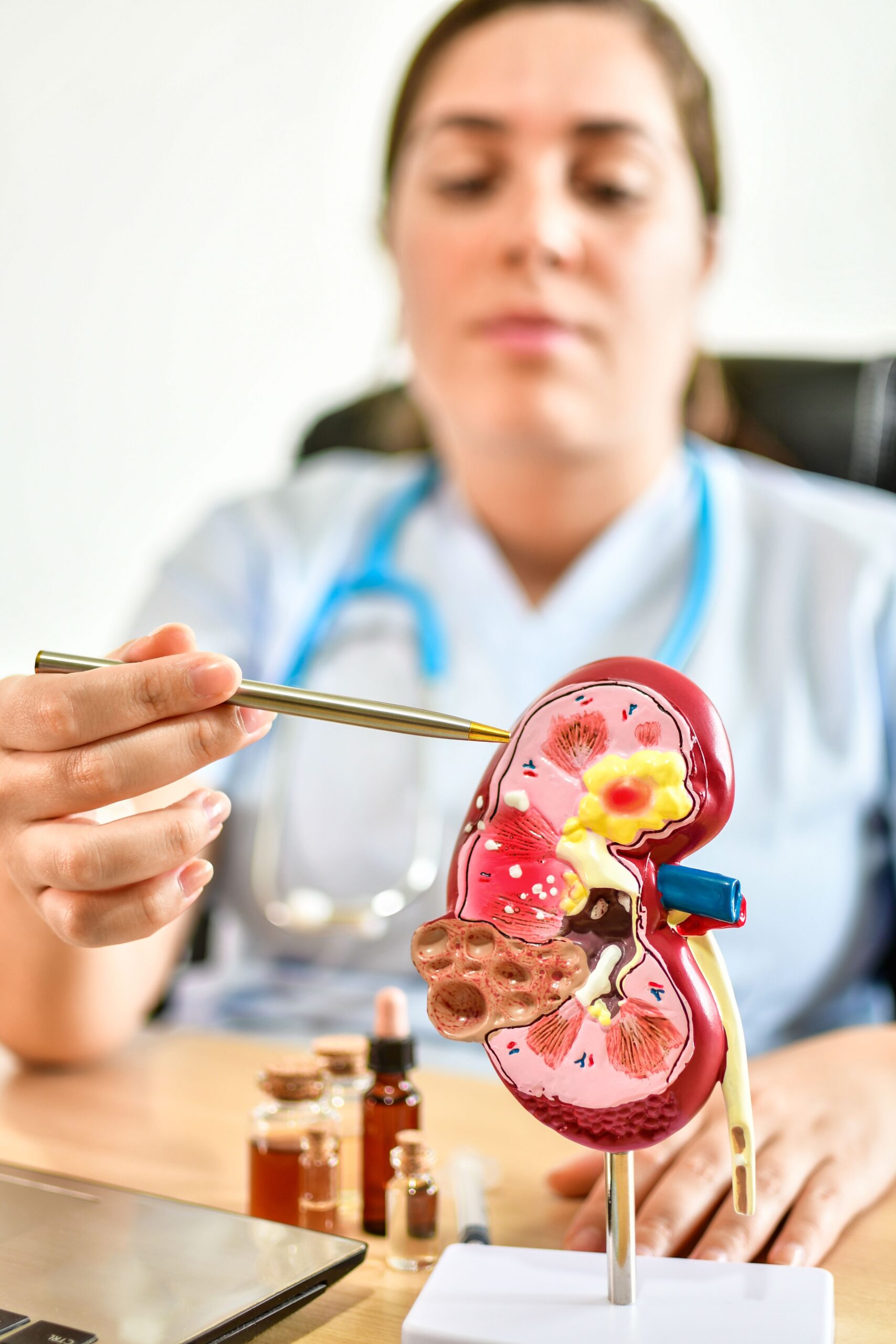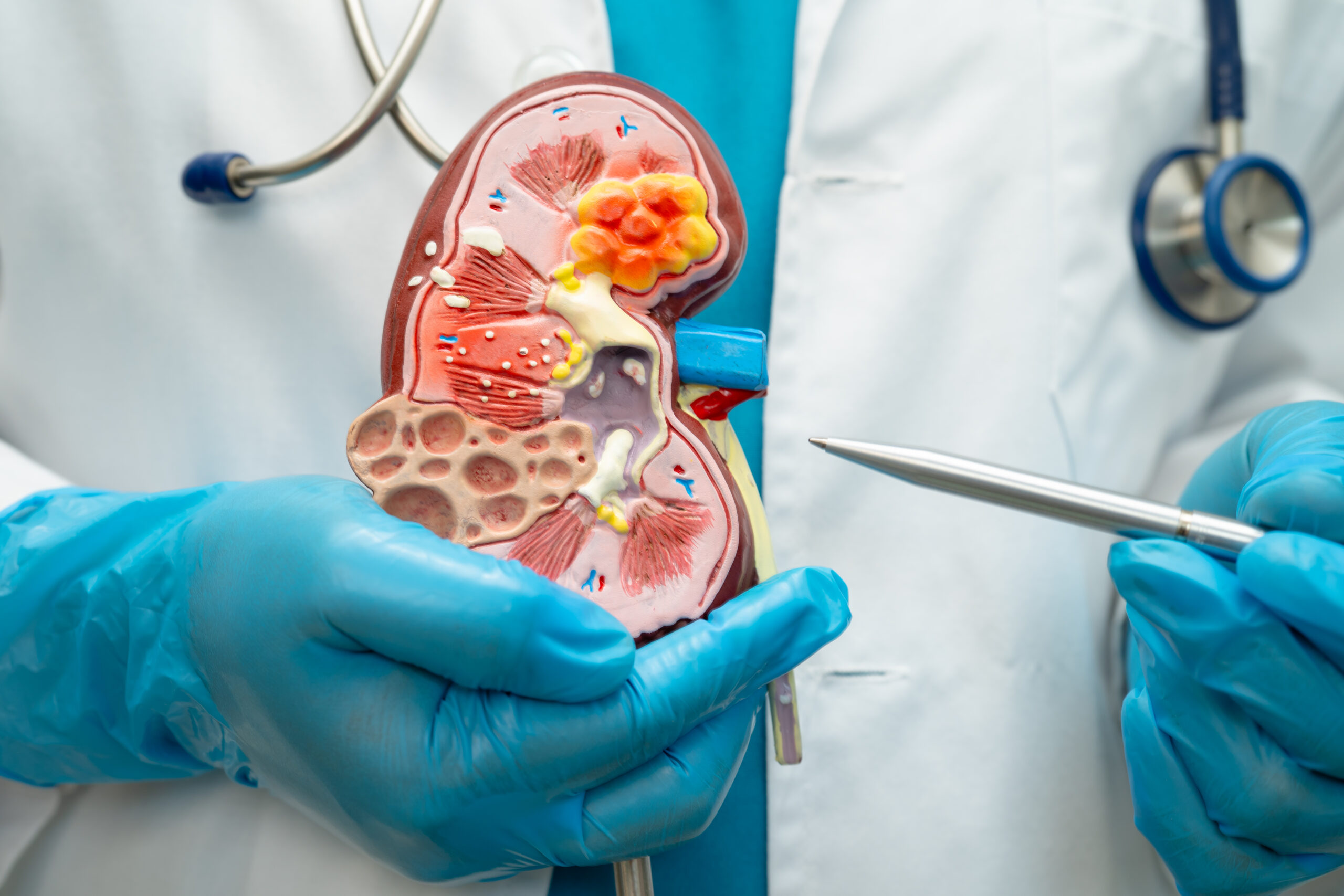

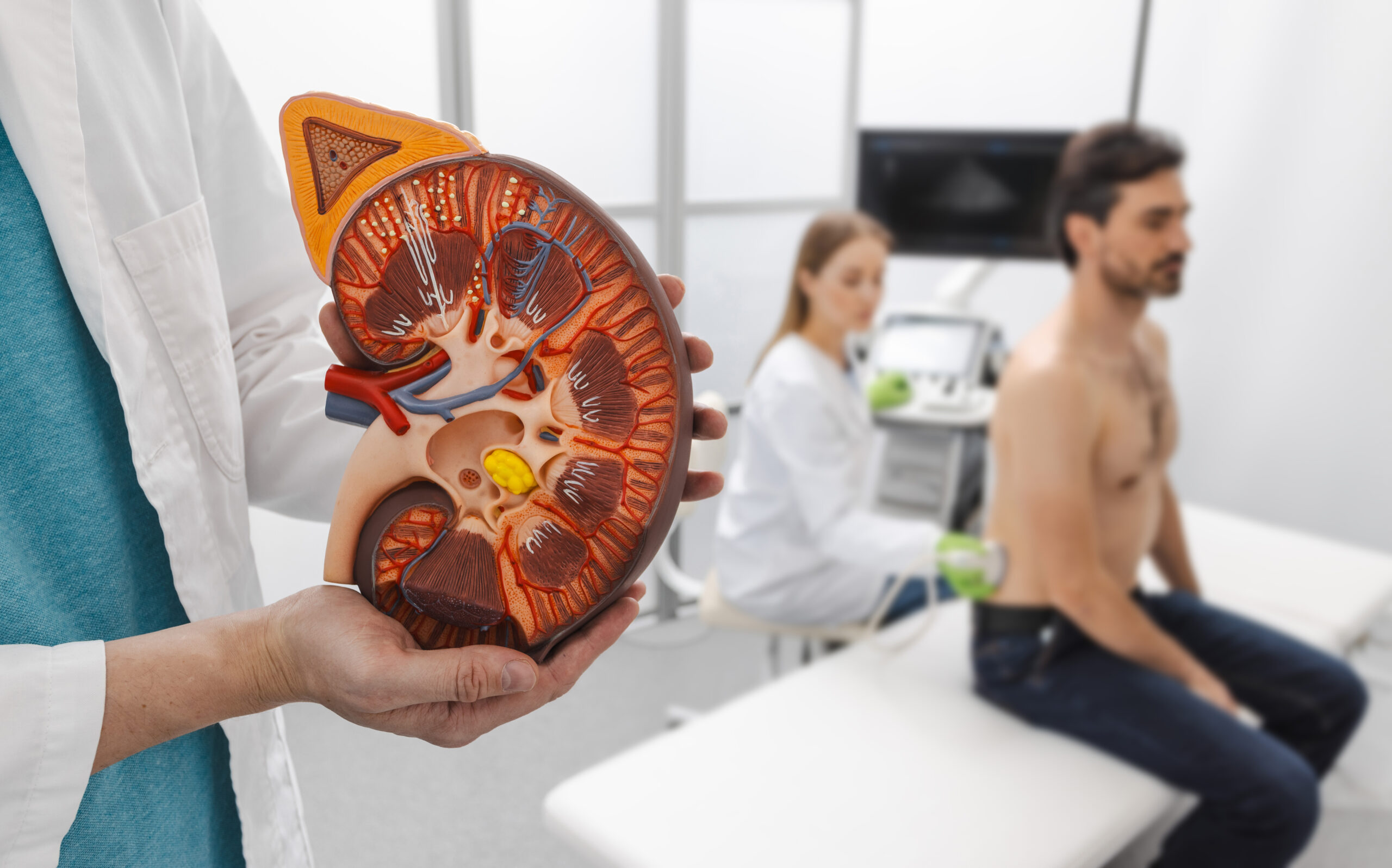
Kidney stones can strike suddenly, converting an otherwise ordinary day into a severe medical crisis. The abrupt onset of intense pain radiating across your lower back, side, or lower abdomen is not merely uncomfortable—it is a clear warning call from your body that demands immediate, highly skilled medical attention. For families, residents, and professionals residing or working within South Bangalore’s fast-growing geographical belts, finding specialized, elite-level medical expertise near home is crucial. When navigating these painful circumstances, seeking a clinical consultation with the best urologist in Kanakapura Road for kidney stone treatment guarantees that you receive prompt, precise diagnostics alongside highly advanced, modern curative relief.
Dr. Ramesh Hanumegowda has established an excellent reputation as an authoritative specialist in advanced surgical and clinical urology. Merging over fifteen years of foundational and elite surgical practice with advanced knowledge gathered from India’s premier academic medical environments, Dr. Ramesh provides highly personalized care strategies for patients struggling with single, multiple, or recurrent renal calculi (kidney stones). Practicing regularly at the modern Spectra Clinic located in Gubbalala right off the main Kanakapura Road highwayhe provides access to cutting-edge medical procedures for local communities without forcing patients to navigate exhausting traffic routes to the traditional central commercial areas of Bangalore.
Understanding Kidney Stones: Symptoms, Critical Causes, and Risk Vectors
Kidney stones, medically categorized as nephrolithiasis, develop from hard deposits comprised of mineral salts and specialized acids that form inside the internal chambers of the kidneys. This process occurs when urine becomes heavily concentrated with crystallized solutes, allowing elements like calcium, oxalate, uric acid, and phosphorus to bond together. Over time, these small structures grow from microscopic crystalline fragments into large, sharp, jagged stones capable of completely blocking the narrow, delicate pathways of the human urinary tract.
Recognizing early symptoms associated with kidney stone obstructions can successfully safeguard a patient against permanent renal injury or severe septic medical emergencies. The most distinct clinical presentations include:
-
Severe, Excruciating Flank Pain: Commonly described by clinical patients as a sensation as severe as childbirth pain, this agonizing discomfort typically originates in the flank or upper back regions immediately below the ribcage. It shifts downward across the abdomen into the lower groin region in unpredictable, intense waves.
-
Systemic Nausea and Acute Vomiting: As a stone migrates into the narrow ureter, the body initiates sharp, spasming muscular contractions to force the object down. This dramatic increase in internal pressure triggers localized abdominal nerve pathways, leading to regular nausea and sudden vomiting.
-
Visible Blood in the Urine: Known in clinical environments as hematuria, this visual sign appears when a sharp stone scratches the sensitive mucosal linings of the urinary tract. The result changes the urine’s appearance to pink, red, or light brown shades.
-
Frequent, Painful Urination Patterns: When a stone limits normal urine passage or introduces localized bacterial infections, it creates a persistent urge to urinate, painful burning sensations during urination, and urine that appears noticeably cloudy or gives off a strong, unusual smell.
Several environmental and biological factors can accelerate stone formation. Low daily water intake is a leading cause, particularly in Bangalore’s warm climate where high sweat production can leave the body dehydrated. Diets high in sodium, animal proteins, and chemical sugars also contribute significantly, as do inherited metabolic conditions, obesity, and chronic urinary tract infections (UTIs). Pinpointing these primary causes allows for the creation of an effective, personalized strategy for kidney stone treatment in Kanakapura Road.
Why Choose Dr. Ramesh Hanumegowda on Kanakapura Road?
When dealing with specialized health problems like large, complex, or recurring kidney stones, the credentials and practical experience of your specialist are vital. Dr. Ramesh Hanumegowda is recognized as a premier urologist in Kanakapura Road due to his ideal blend of high-level surgical training, technical skills, and supportive, patient-centered care.
Dr. Ramesh’s medical education highlights his deep commitment to his specialty. Following his foundational MBBS and master’s degree (MS) in General Surgery, he pursued an advanced super-specialization, earning his MCh in Urology from the highly competitive Institute of Nephrourology in Bengaluru. As one of India’s premier government centers focused entirely on kidney diseases and complex urinary tracts, this rigorous clinical training provided him with deep expertise in managing even the most complex urological challenges.
In addition to his traditional surgical expertise, Dr. Ramesh is a certified Da Vinci Robotic Surgeon. This specialized training allows him to use modern robotic technologies to complete complex urological reconstructions through tiny incisions with great accuracy, low blood loss, and faster recovery times. Whether handling a routine non-invasive stone extraction or a complex kidney restoration, Dr. Ramesh brings a high level of surgical precision to every procedure. This dedication ensures that his patients consistently achieve excellent health outcomes.
CLINICAL ADVANTAGE: Dr. Ramesh’s dual specialization possessing both an MCh from the Institute of Nephrourology and advanced robotic certifications sets his clinical practice apart from generic healthcare clinics. This provides local residents with elite hospital expertise right inside their neighborhood.
Advanced Kidney Stone Treatment Options Available
Modern medical advancements mean that treating kidney stones no longer requires large, open surgical incisions that leave permanent scars and require long, painful hospital stays. Today, Dr. Ramesh Hanumegowda uses advanced, minimally invasive and non-invasive methods tailored entirely to the patient’s specific stone size, position, and chemical makeup. This focused care plan ensures that kidney stone treatment in Kanakapura Road meets the highest modern standards of safety and efficiency.
1. Laser Lithotripsy via Ureteroscopy (URSL)
For stones located in the middle or lower parts of the ureter, Ureteroscopic Lithotripsy (URSL) is an excellent, highly effective option. During this outpatient procedure, Dr. Ramesh guides a thin, flexible instrument called a ureteroscope through the natural path of the urinary tract, completely eliminating the need for surgical incisions. Once the stone is located, a high-powered holmium laser fiber delivers focused energy to break the hard stone into tiny, sand-like fragments. These fragments are either swept out immediately using a specialized extraction basket or pass out naturally and painlessly with urine over the following few days.
2. Retrograde Intrarenal Surgery (RIRS)
When stones are located high up inside the delicate structures of the kidney itself, Retrograde Intrarenal Surgery (RIRS) represents a major step forward in modern urology. This advanced technique uses a highly flexible, digital ureteroscope that can curve deep into the internal channels of the kidney. Guided by real-time x-ray imaging, Dr. Ramesh uses an advanced laser fiber to gently break up the stone right inside the kidney. Because RIRS does not require any cuts or incisions on the body, patients experience very little post-operative pain, run a minimal risk of infection, and can usually return home within 24 hours of the procedure.
3. Percutaneous Nephrolithotomy (PCNL)
For very large, complex, or staghorn kidney stones that measure over 2 centimeters in diameter, non-invasive methods may not be sufficient. In these complex situations, Percutaneous Nephrolithotomy (PCNL) is the standard technique for successful clearance. During a PCNL procedure, a tiny, keyhole incision of less than a centimeter is made directly in the patient’s back. Through this small access point, a specialized miniature camera called a nephroscope is inserted directly into the kidney. The large stone is then broken down using ultrasonic or pneumatic energy and removed completely. This advanced technique ensures maximum stone clearance in a single session, protecting the surrounding healthy kidney tissue.
4. Extracorporeal Shock Wave Lithotripsy (ESWL)
For patients with smaller, soft stones located in straightforward areas of the upper urinary tract, Extracorporeal Shock Wave Lithotripsy (ESWL) offers a completely non-invasive, gentle alternative. This well-established method uses high-energy acoustic shock waves generated outside the body. These waves travel safely through skin and soft tissue, focusing precisely on the hard stone to shatter it into tiny fragments. This procedure requires no incisions, no internal scopes, and no overnight hospital stay, allowing patients to complete their treatment comfortably and return to their regular routines almost immediately.
Spectra Clinic, Kanakapura Road: Patient-Centric Urology Care
Dr. Ramesh provides customized consultations and dedicated outpatient care at Spectra Clinic, located at 48/2A, 80 Feet Road, Friends Colony, Gubbalala, Subramanyapura, Bengaluru. This modern facility is designed to offer a smooth, stress-free healing experience from your initial diagnosis through to your long-term post-operative recovery.
Choosing a specialized clinic on Kanakapura Road provides clear logistical benefits for local patients. Avoid the frustration of driving long distances through central Bangalore’s heavy traffic gridlocks while suffering from acute physical pain. Spectra Clinic features comfortable, modern consultation rooms, advanced on-site diagnostic ultrasound equipment, and a fully automated appointment booking system that keeps patient waiting times to an absolute minimum. This convenient setup allows residents of surrounding neighborhoods including JP Nagar, Konanakunte, Uttarahalli, Banashankari, and Talaghattapura to easily access an expert urologist in Kanakapura Road whenever they need specialized care.
Frequently Asked Questions (FAQs) Regarding Kidney Stone Treatment
Q1: What are the main causes of kidney stones?
The primary cause of kidney stones is consistent dehydration, which concentrates minerals in the urine. Other common causes include eating a diet rich in sodium and animal protein, family history, metabolic disorders, and structural abnormalities in the urinary tract. Identifying these underlying issues helps prevent stones from returning.
Q2: How do I know if I need to see a urologist in Kanakapura Road for my back pain?
If your back pain comes on suddenly, feels sharp and severe, is located on one side below your ribs, or moves down toward your groin, it is likely a sign of a kidney stone. This is especially true if the pain is accompanied by nausea, vomiting, or visible blood in your urine. You should consult Dr. Ramesh promptly for an accurate ultrasound diagnosis.
Q3: Is laser kidney stone surgery painful?
Modern laser kidney stone surgeries, such as RIRS and URSL, are performed under general or regional anesthesia, meaning you will feel absolutely no pain during the procedure. After the surgery, you may experience mild, manageable discomfort or a temporary burning sensation during urination, which is easily controlled with standard medications prescribed by your doctor.
Q4: What is the cost of laser kidney stone treatment in Bangalore?
The overall cost of laser kidney stone treatment depends on several specific factors. These include the size and hardness of the stone, its exact location, the specific surgical method used (such as URSL or RIRS), and your insurance coverage. During your personalized consultation at Spectra Clinic, our team provides a transparent, detailed cost breakdown.
Q5: How long does it take to recover after an RIRS or laser lithotripsy procedure?
Because advanced procedures like RIRS and URSL are entirely incisionless, recovery is remarkably fast. Most patients are safely discharged from the hospital within 24 hours of their treatment and can comfortably return to light daily activities and desk work within two to three days.
Q6: Can kidney stones be treated without undergoing surgery?
Yes, small kidney stones that measure less than 5mm can often pass out naturally. Dr. Ramesh uses Medical Expulsive Therapy (MET), prescribing specific medications that relax the muscles of the ureter to help the stone pass smoothly, along with increased hydration. For small, suitable stones, non-invasive ESWL shock wave therapy can also be used.
Q7: How much water should I drink daily to prevent stones from coming back?
To effectively prevent kidney stones from forming again, you should drink enough water to produce at least 2.5 liters of clear, diluted urine every day. For most people living in Bangalore’s climate, this means drinking between 3 and 4 liters of water daily, spread out evenly across the day.
Conclusion: Take Charge of Your Kidney Health Today
Kidney stones are a common medical condition, but leaving them untreated can lead to serious health complications. Ignoring severe symptoms can cause permanent damage to your kidneys, dangerous urinary tract infections, or complete blockages that require emergency medical care. Choosing to consult an experienced, highly qualified specialist ensures that you resolve your condition safely, quickly, and with minimal disruption to your daily life.
With his advanced MCh specialization from the Institute of Nephrourology and extensive training in robotic and laser surgeries, Dr. Ramesh Hanumegowda provides top-tier urological care right to your neighborhood. Do not suffer through unnecessary pain or put your long-term health at risk. Schedule a comprehensive consultation with the best urologist in Kanakapura Road for kidney stone treatment. Visit Spectra Clinic in Gubbalala today, or visit our official website at www.drrameshurologist.com to secure your appointment and start your path toward long-term, pain-free health.