

You or an ageing family member waking up multiple times every night to pass urine? Do you notice a weak or interrupted urine stream, sudden urgency, or a persistent feeling that your bladder hasn’t completely emptied? These symptoms are common signs of prostate enlargement or underlying prostate conditions, which affect a significant of men over the age of 50.
Located along Kanakapura Road in South Bangalore, serving communities across Konanakunte Cross, JP Nagar, Banashankari, Jayanagar, and Anjanapura Dr. Ramesh Hanumegowda provides comprehensive, compassionate, and state-of-the-art urological care. As an experienced prostate specialist and certified Da Vinci Robotic Surgeon with over 15 years of surgical experience, Dr. Ramesh offers advanced diagnostic tools, tailored medical therapies, and modern minimally invasive laser surgeries (such as HoLEP) designed to restore normal urinary flow and improve overall quality of life.
Understanding the Prostate: Anatomy & Common Conditions
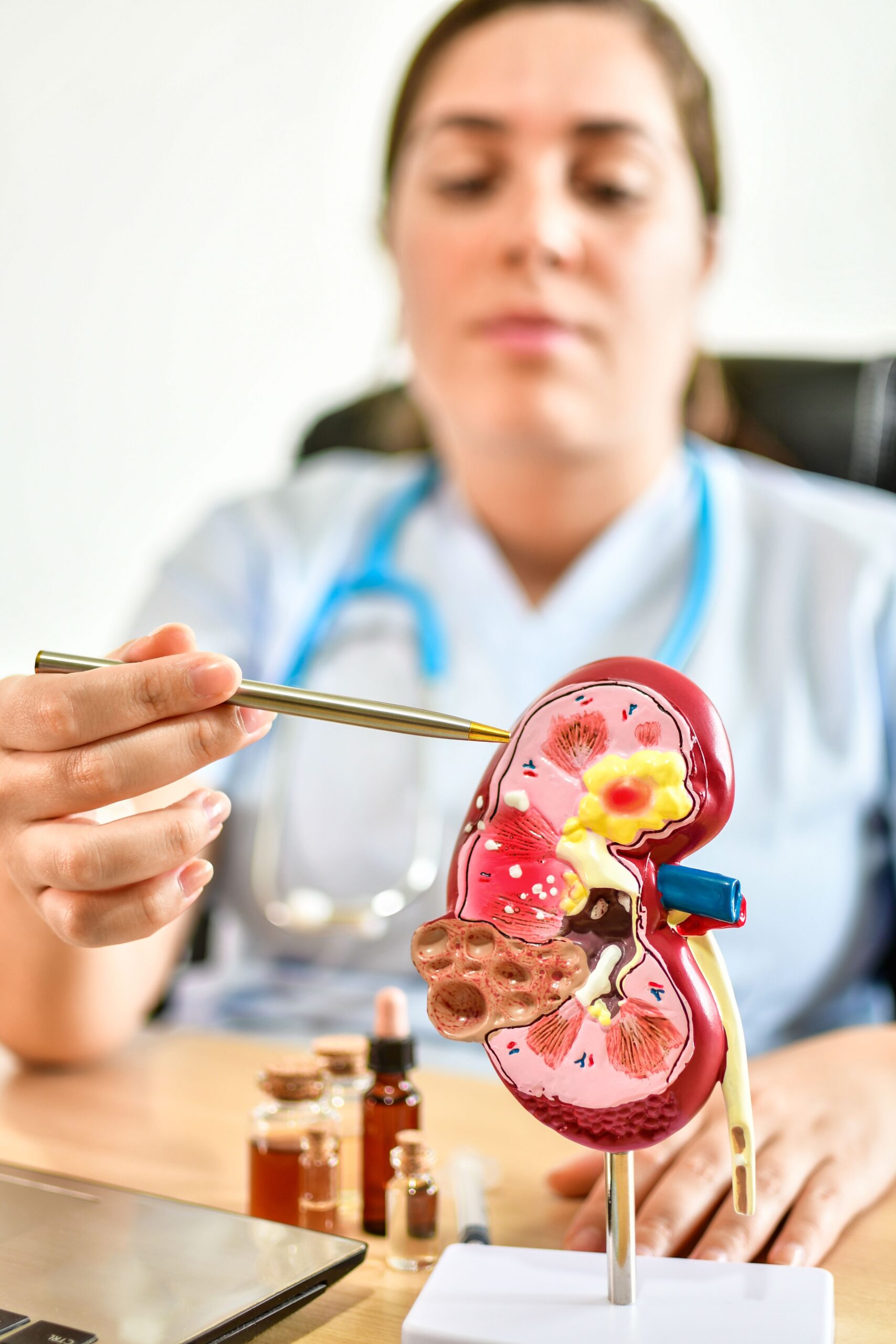
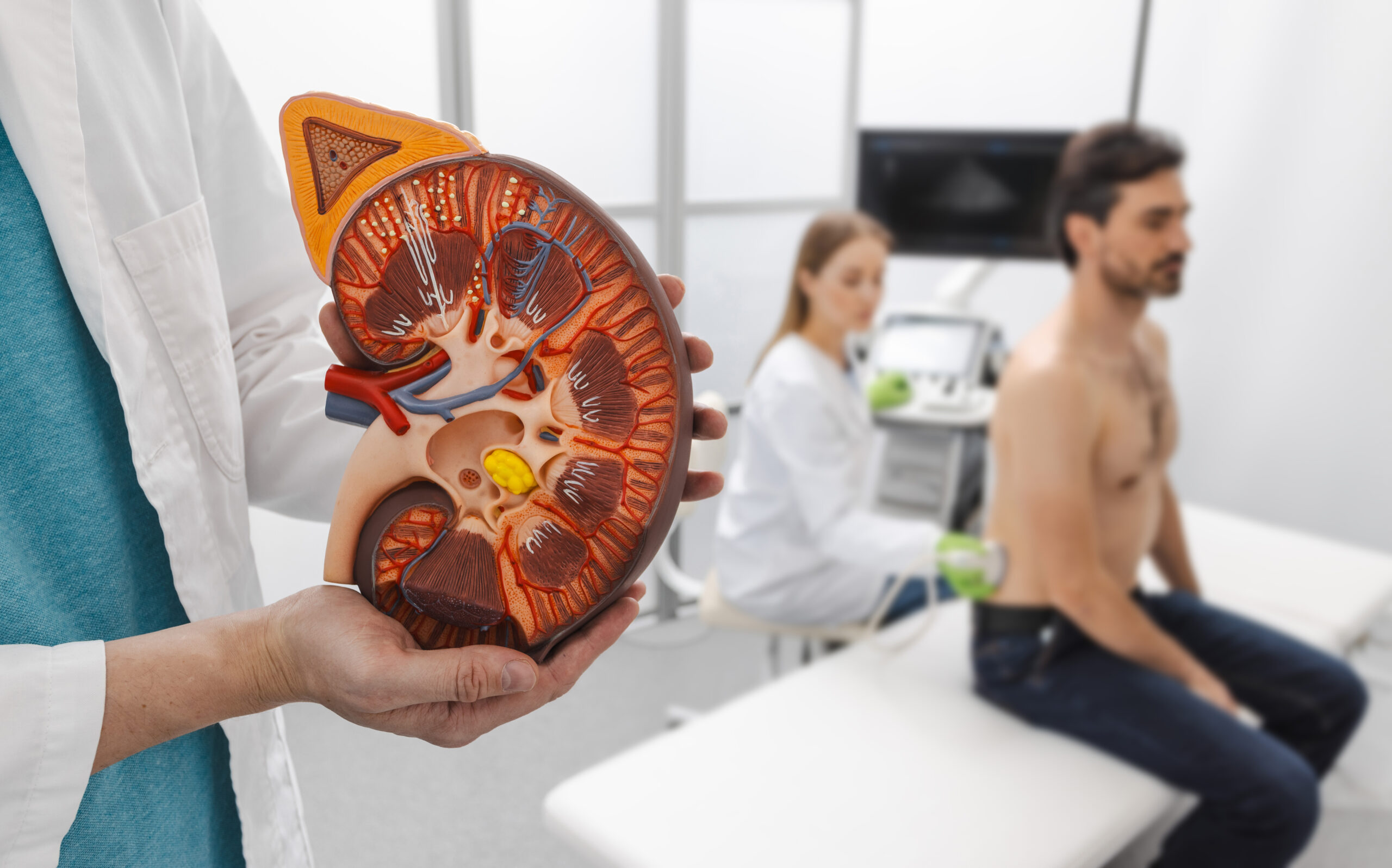
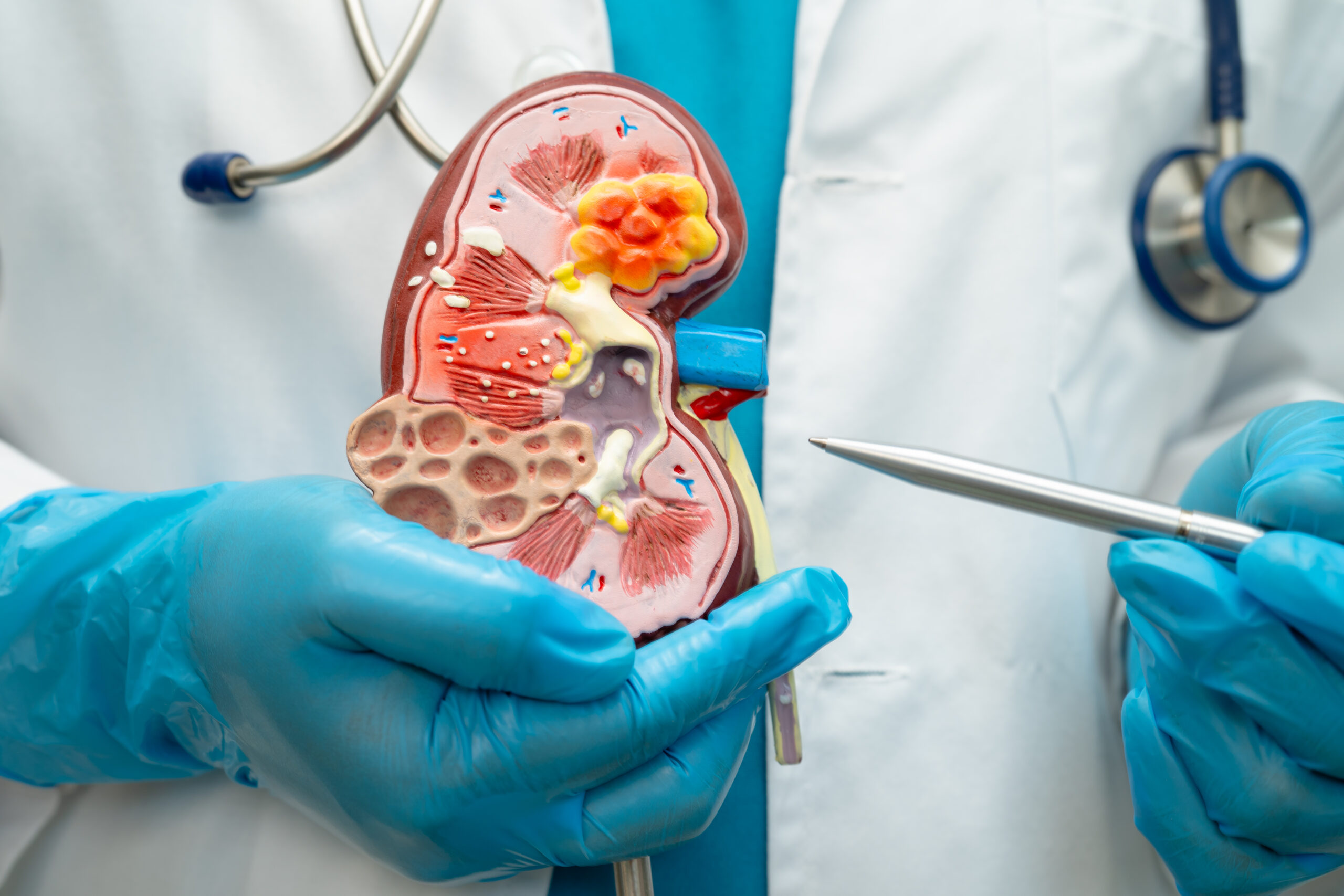
The prostate is a walnut-sized gland located directly below the urinary bladder in men. It surrounds the prostatic urethra the channel that carries urine and semen out of the body. As men age, natural hormonal changes cause the prostate gland to gradually enlarge.
Primary Prostate Conditions Evaluated at Our Clinic
-
Benign Prostatic Hyperplasia (BPH): A non-cancerous enlargement of the prostate gland. As tissue grows, it compresses the urethra, restricting normal urine outflow from the bladder.
-
Prostatitis: Inflammation or bacterial infection of the prostate, causing pelvic pain, fever, burning during urination, and discomfort. Prostatitis can affect men of all ages, including younger adults.
-
Prostate Cancer: One of the most common cancers in aging men. Early-stage prostate cancer often presents with symptoms similar to BPH, making regular clinical screening essential for men over 50.
Recognizing the Warning Signs: BPH Symptom Checklist
Prostate enlargement develops gradually. Men over 45 should pay attention to these lower urinary tract symptoms (LUTS):
-
Nocturia: Waking up 2 to 5 times during the night to urinate, leading to disrupted sleep.
-
Hesitancy: Difficulty or a noticeable delay in starting the urinary stream.
-
Weak Stream: A thin, weak, or dribbling urine flow.
-
Intermittency: A stream that stops and starts repeatedly during voiding.
-
Urgency: A sudden, compelling need to urinate that is difficult to postpone.
-
Incomplete Emptying: A sensation that the bladder remains partially full after urinating.
-
Acute Urinary Retention: A sudden inability to pass urine, causing severe lower abdominal discomfort—this requires emergency catheterization.
Diagnostic Evaluation at Our Kanakapura Road Clinic
To determine the cause of your symptoms and rule out serious conditions, Dr. Ramesh uses clear, standardized diagnostic protocols:
-
International Prostate Symptom Score (IPSS): A structured questionnaire that quantifies symptom severity from mild (0–7) to severe (20–35).
-
Digital Rectal Examination (DRE): A quick physical exam to assess prostate size, shape, smoothness, and tissue consistency.
-
Prostate-Specific Antigen (PSA) Blood Test: A blood marker test used to screen for prostate health, monitor tissue growth, and detect early risk factors.
-
Uroflowmetry: A non-invasive test that measures urine speed, volume, and flow patterns in real time to evaluate bladder outlet obstruction.
-
Ultrasound KUB & Post-Void Residual (PVR): Determines overall prostate volume (in grams) and measures how much urine remains in the bladder after voiding.
Modern Treatment Modalities for Enlarged Prostate (BPH)
Treatment is customized based on prostate volume, symptom severity (IPSS score), overall health, and patient preferences.
A. Medical Management (Pharmacotherapy)
For mild to moderate BPH symptoms, medication provides effective relief without surgery:
-
Alpha-1 Blockers (e.g., Tamsulosin, Silodosin): Relax smooth muscle tissue at the prostate neck and bladder outlet, improving flow within days.
-
5-Alpha Reductase Inhibitors (e.g., Finasteride, Dutasteride): Block DHT hormone production, gradually shrinking enlarged prostate volume over 3 to 6 months.
-
Combination Therapy: Uses both medication types for long-term symptom relief and reduced risk of acute urinary retention.
B. Surgical & Laser Interventions for Moderate-to-Severe BPH
When medications no longer provide sufficient relief, or if complications such as recurrent urinary retention, bladder stones, or impaired kidney function arise, surgical intervention is recommended.
-
Transurethral Resection of the Prostate (TURP): Traditional TURP has long been a standard surgical option. Under regional anesthesia, a resectoscope is passed through the urethra, and an electrical wire loop shaves away obstructive prostate tissue piece by piece. While effective, traditional monopolar TURP carries a moderate risk of bleeding and requires 2 to 3 days of catheter use.
-
Holmium Laser Enucleation of the Prostate (HoLEP): HoLEP is widely considered a leading minimally invasive technique for prostate surgery. Using a high-powered Holmium laser, the urologist enucleates (peels away) the enlarged prostate lobes along their natural anatomical capsule similar to peeling an orange. The tissue is then swept into the bladder and safely removed using a specialized morcellator.
Why Choose HoLEP Laser Surgery?
HoLEP is suitable for prostates of any size (>150g), causes minimal blood loss, requires only 24 hours of catheterization, and has a recurrence rate under 1%.
Prostate Treatment Comparison Matrix
| Treatment Option | Prostate Size Suitability | Blood Loss Risk | Catheter Duration | Recurrence Rate |
| Medical Therapy | Mildly Enlarged (< 40g) | None | None | High if medication stops |
| TURP (Standard) | Moderate (30g – 80g) | Moderate | 2 to 3 Days | 5-10% over 10 years |
| HoLEP Laser Surgery | Any Size (30g to >150g) | Minimal | 24 Hours | < 1% long-term |
| BiLEP / GreenLight | Moderate to Large | Minimal | 24 to 48 Hours | Low |
Prostate Treatment Cost Structure on Kanakapura Road
Prostate treatment costs vary depending on the chosen procedure, gland size, technology used, and hospital stay requirements. Estimated cost ranges in South Bangalore include:
-
Comprehensive Diagnostic Workup (PSA, Flowmetry, USG): ₹3,000 – ₹6,000
-
BPH Medical Management (Monthly): ₹800 – ₹2,500
-
TURP Prostate Surgery: ₹65,000 – ₹1,10,000
-
Advanced HoLEP Laser Surgery: ₹1,10,000 – ₹1,85,000
Lifestyle Guidelines for Optimal Prostate Health
Adopting healthy daily habits supports prostate function and helps minimize lower urinary tract symptoms:
-
Limit Evening Liquids: Reduce fluid consumption 2 hours before bedtime to manage nighttime wakefulness (nocturia).
-
Reduce Bladder Irritants: Limit intake of caffeine, alcohol, spicy foods, and artificial sweeteners that irritate the bladder lining.
-
Practice Double Voiding: After finishing urination, wait a few seconds and try voiding again to ensure your bladder empties completely.
-
Stay Physically Active: Regular walking, pelvic floor exercises (Kegels), and maintaining a healthy body weight help manage prostate inflammation.
Frequently Asked Questions (FAQs)
Q1: Who is the best urologist for prostate problems on Kanakapura Road?
Dr. Ramesh Hanumegowda is widely recognized for his expertise in minimally invasive prostate management and advanced laser prostate surgery (HoLEP) on Kanakapura Road, Bangalore.
Q2: What are the early signs of prostate enlargement (BPH)?
Waking up frequently at night to urinate, a weak or hesitating urine stream, post-void dribbling, and feeling that your bladder hasn’t fully emptied.
Q3: Does an enlarged prostate always mean prostate cancer?
No. Benign Prostatic Hyperplasia (BPH) is a non-cancerous growth of prostate tissue and does not cause or turn into prostate cancer.
Q4: What is a PSA blood test and why is it necessary?
Prostate-Specific Antigen (PSA) is a protein produced by prostate cells. Elevated blood levels can indicate BPH, prostatitis, or early-stage prostate cancer, making it an essential screening tool.
Q5: What is HoLEP laser prostate surgery?
HoLEP (Holmium Laser Enucleation of the Prostate) uses a powerful laser to peel away enlarged prostate tissue blocking urine flow, offering rapid recovery and minimal bleeding.
Q6: How long is the hospital stay after HoLEP surgery?
Most patients require only a 24-hour hospital stay, with their urinary catheter typically removed within 1 to 2 days.
Q7: What is the average cost of laser prostate surgery on Kanakapura Road?
Costs generally range between ₹1,10,000 and ₹1,85,000 depending on prostate size, equipment, and room category.
Q8: Can BPH be managed with medication alone?
Yes. Mild to moderate BPH symptoms often respond well to alpha-blockers and 5-alpha reductase inhibitors without requiring surgery.
Q9: What happens if BPH is left untreated?
Untreated severe BPH can lead to acute urinary retention, recurrent UTIs, bladder stones, and long-term kidney damage due to urine backpressure.
Q10: Does laser prostate surgery cause incontinence or erectile dysfunction?
Modern techniques like HoLEP preserve the surrounding urinary sphincter muscles and erectile nerves, making permanent incontinence or ED rare.
Q11: What is a Uroflowmetry test?
Uroflowmetry is a non-invasive test where you urinate into a specialized funnel that measures your flow rate, volume, and stream pattern in real time.
Q12: Can an enlarged prostate return after HoLEP surgery?
Recurrence after HoLEP is under 1% because the laser removes the obstructive tissue down to the outer capsule.
Q13: What is considered a normal PSA level for men?
Generally, a PSA level below 4.0 ng/mL is considered normal, though age-specific ranges and overall trends over time are also evaluated by urologists.
Q14: How can I reduce waking up at night to urinate?
Avoid drinking fluids 2 hours before bed, cut down on evening tea, coffee, or alcohol, and elevate your legs in the late afternoon to reduce fluid buildup.
Q15: What is acute urinary retention?
A sudden inability to pass urine accompanied by severe lower abdominal discomfort. It is a medical emergency that requires immediate bladder catheterization.
Q16: Is TURP or HoLEP better for large prostates?
HoLEP is superior for large prostates (>80g) because it removes tissue faster, with less bleeding, shorter catheter time, and lower recurrence rates than traditional TURP.
Q17: Does health insurance cover laser prostate surgery in Bangalore?
Yes. Major health insurance policies and corporate TPA plans cover medically necessary procedures like HoLEP and TURP.
Q18: What dietary choices support prostate health?
Include lycopene-rich foods (like cooked tomatoes), zinc (found in seeds and nuts), green tea, and omega-3 fatty acids while limiting processed meats and excessive saturated fats.
Q19: At what age should men schedule regular prostate checkups?
Men should start annual prostate health checkups at age 50, or at age 45 if there is a family history of prostate conditions.
Q20: How do I schedule a consultation with Dr. Ramesh on Kanakapura Road?
You can book an appointment directly through the official website (drrameshurologist.com) or by calling the Kanakapura Road clinic desk directly.