

Experiencing sudden, agonising pain in your lower back or side that radiates down to your groin? Sharp, cramp-like discomfort accompanied by nausea, blood in urine, or a burning sensation during urination is a classic hallmark of kidney stones (nephrolithiasis).
In South Bangalore, particularly along the rapidly expanding Kanakapura Road corridor, including Konanakunte, Banashankari, JP Nagar, Anjanapura, and Kumbalgodu, changing lifestyle habits, inadequate hydration during warmer months, and dietary factors have led to a steady increase in kidney stone cases among young adults and middle-aged professionals.
Fortunately, modern endourology has completely eliminated the need for large surgical cuts or long hospital stays. Today, kidney stone removal is performed using precise, minimally invasive, no-incision laser techniques. If you are searching for the best kidney stone treatment options in Kanakapura Road, Bangalore, this complete clinical guide covers underlying causes, diagnostic imaging, advanced surgical procedures (RIRS, URS, PCNL, ESWL), recovery guidelines, treatment costs, and long-term prevention.
Understanding Kidney Stones: How and Why Do They Form?
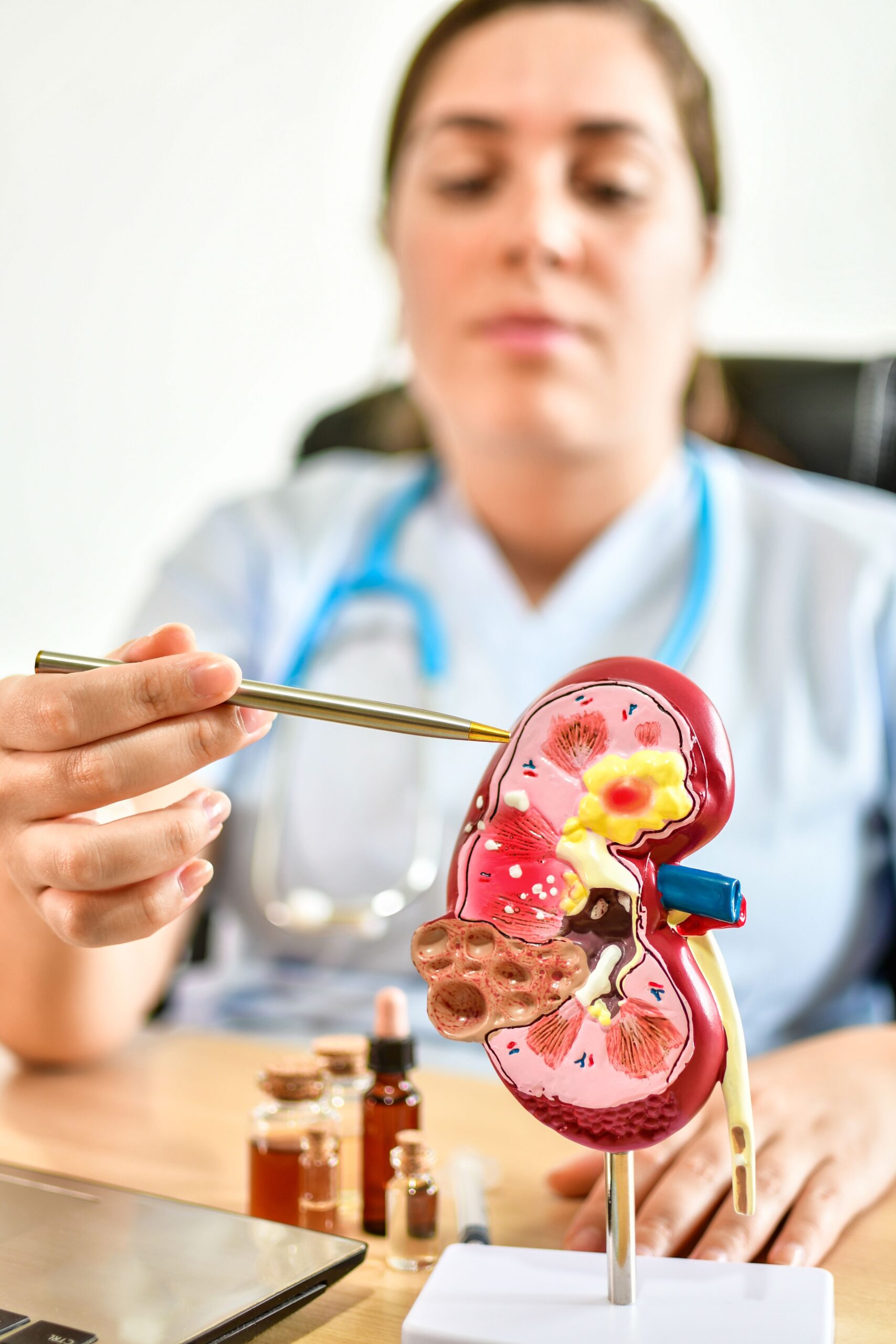
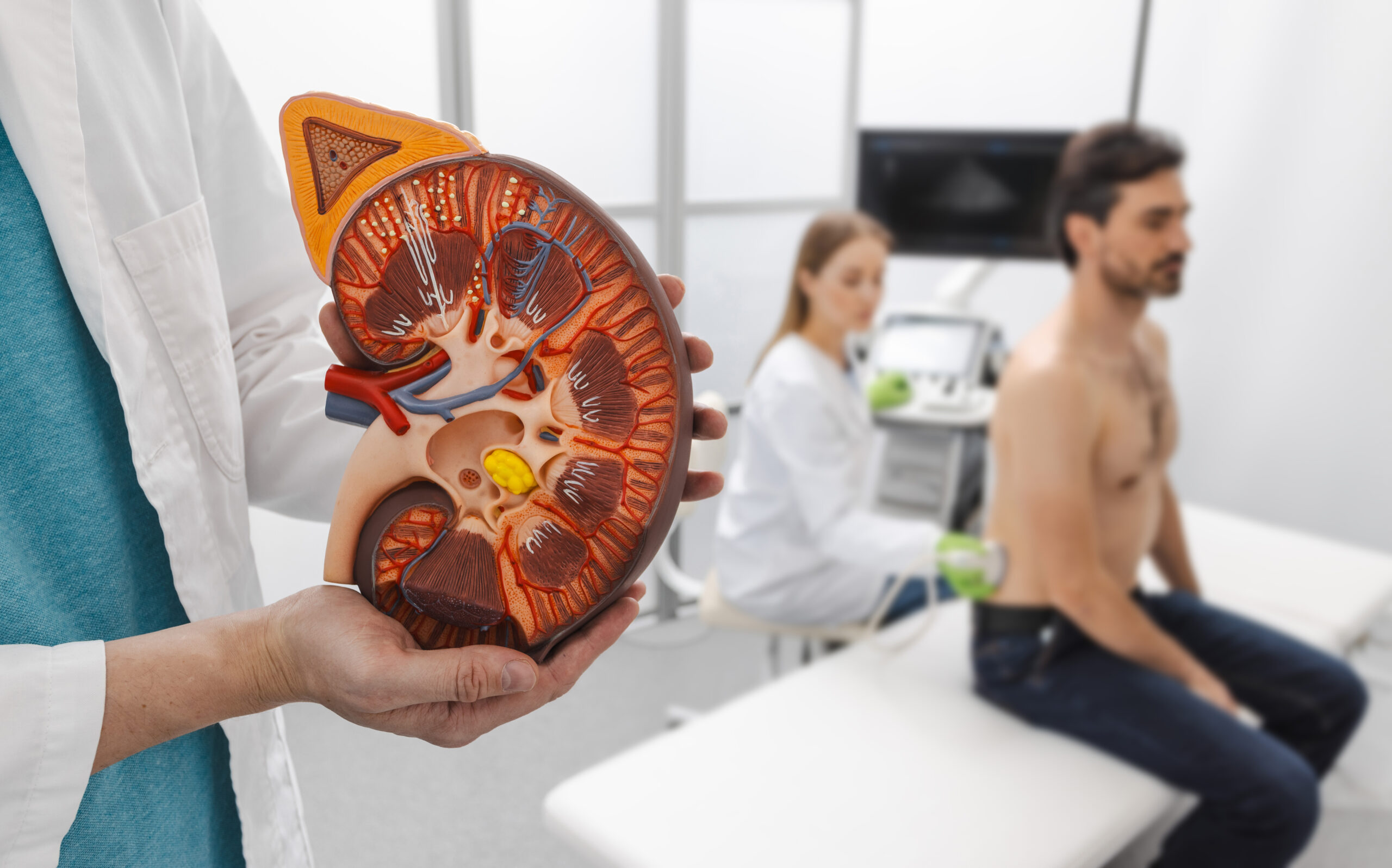
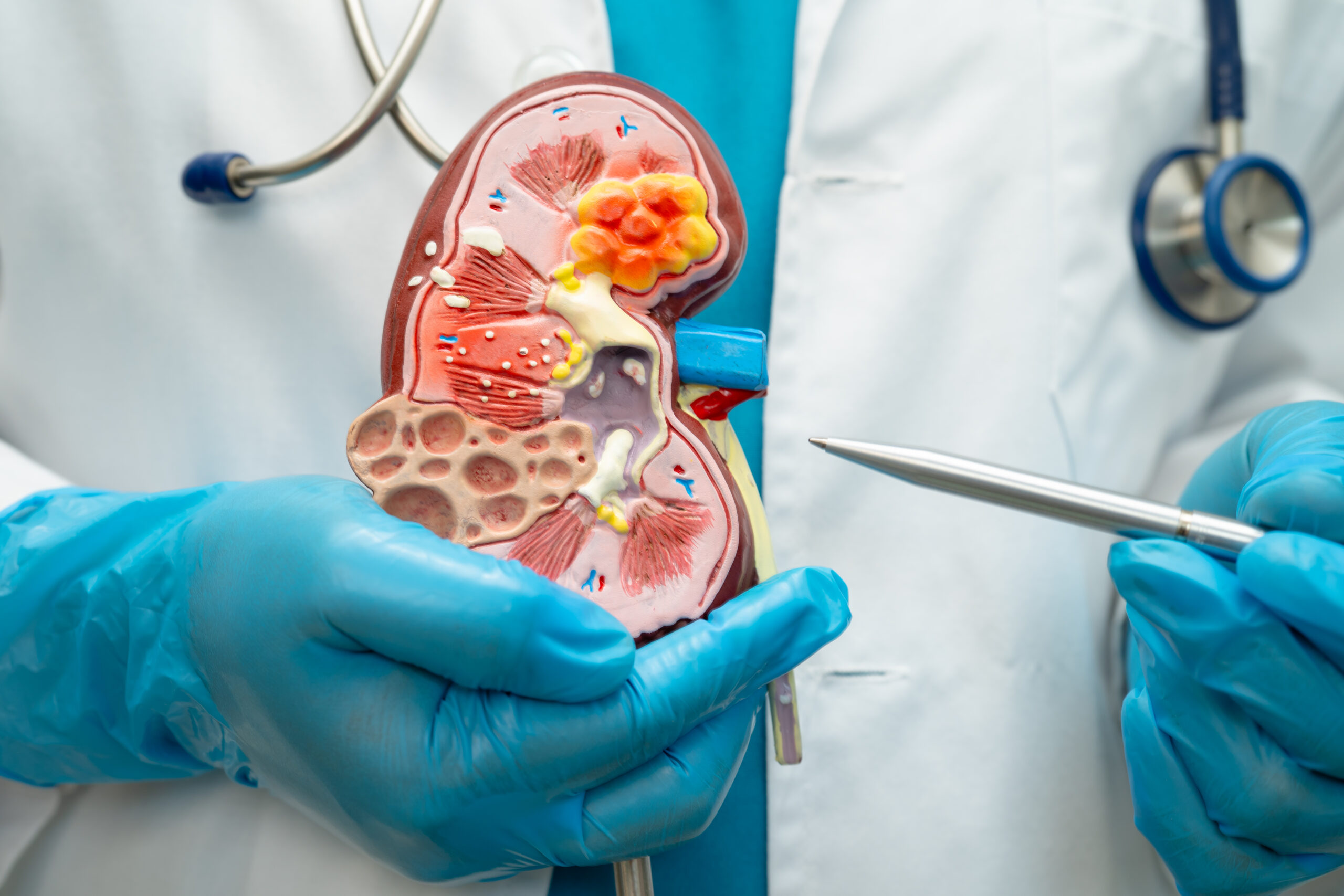
Kidney stones are hard, solid mineral deposits that form inside the renal calyces or renal pelvis when urine becomes excessively concentrated. Under healthy conditions, urine contains natural inhibitors that prevent mineral crystals from sticking together. However, when fluid levels drop or mineral levels surge, substances like calcium, oxalate, uric acid, and phosphate crystallize and grow over time.
Physiological Pathway: Dehydration leads to mineral supersaturation in urine. This triggers micro-crystal aggregation in the renal pelvis, which slowly forms solid stones that eventually block the ureter.
Key Risk Factors for South Bangalore Residents
-
Dehydration & Fluid Loss: High daily temperatures paired with inadequate fluid intake concentrate urine, allowing minerals to crystallize rapidly.
-
Dietary Sodium & Oxalates: High-salt diets, packaged snacks, animal proteins, and high-oxalate foods accelerate crystal aggregation.
-
Hard Water Impact: Water sources with elevated Total Dissolved Solids (TDS) and high mineral content can contribute to stone formation in genetically predisposed individuals.
-
Metabolic Conditions: Conditions such as hyperparathyroidism, gout, recurrent urinary tract infections (UTIs), and a family history of stones significantly elevate your personal risk.
Key Symptoms: When Should You Consult a Urologist?
Small kidney stones (less than 4 mm) often pass through the urinary tract without causing noticeable symptoms. However, when a stone moves within the kidney or becomes trapped in the narrow ureter, it blocks the flow of urine, causing the kidney to swell (hydronephrosis). This triggers sharp, severe pain.
-
Renal Colic: Intense, fluctuating pain in the back and flank, below the ribs.
-
Radiating Pain: Pain that shifts toward the lower abdomen, groin, or inner thigh.
-
Hematuria: Urine that appears pink, red, or tea-colored due to tissue abrasion.
-
Dysuria & Urgency: Painful, burning sensations during urination or a frequent, urgent need to void.
-
Nausea & Vomiting: Caused by shared nerve pathways between the kidneys and gastrointestinal tract.
-
Fever & Chills (Red Flag): Fever accompanied by chills indicates a severe kidney infection (pyelonephritis) behind a blocked stone this is a medical emergency requiring immediate attention.
Comprehensive Diagnostic Protocols
Accurate diagnosis is critical to choosing between conservative medical management and laser surgical intervention. During a clinical consultation, the following diagnostic tests are typically performed:
-
High-Resolution Ultrasonography (USG KUB): A quick, radiation-free first-line scan to evaluate kidney swelling (hydronephrosis) and identify obvious kidney stones.
-
Non-Contrast Computed Tomography (NCCT KUB): The gold-standard imaging technique. NCCT detects stone density (measured in Hounsfield Units – HU), exact size (in millimeters), precise location, and anatomical structure with over 98% accuracy.
-
Urine Routine & Culture: Identifies red blood cells, pus cells, infection-causing bacteria, and crystal types.
-
Renal Function Tests (RFT): Measures serum creatinine and blood urea nitrogen to confirm optimal kidney function before planning any procedure.
Advanced Kidney Stone Treatment Modalities
Treatment selection depends on stone size, location, hardness, and the patient’s medical history. Modern endourology offers options ranging from non-surgical expulsion to advanced laser fragmentation.
A. Medical Expulsive Therapy (MET) For Small Stones (< 5 mm)
Stones smaller than 5 mm located in the lower ureter have an 80% chance of passing naturally. Medical treatment includes Alpha-Blockers (e.g., Tamsulosin) to relax ureteral muscles, hydration therapy (2.5 to 3 liters daily), and targeted analgesics for pain management.
B. Extracorporeal Shock Wave Lithotripsy (ESWL)
ESWL is a non-invasive procedure best suited for soft kidney stones smaller than 1 cm. High-energy acoustic shock waves generated outside the body are focused onto the stone under fluoroscopic or ultrasound guidance, breaking it into tiny fragments that pass in the urine. It requires no incisions and minimal anesthesia.
C. Ureteroscopy (URS) with Holmium Laser Lithotripsy
For stones lodged in the middle or lower ureter, URS provides an effective solution. A thin scope is inserted through the natural urinary passage (urethra and bladder) directly into the ureter. A flexible laser fiber then vaporizes the stone into dust or tiny fragments, which are removed using a micro-basket.
D. Retrograde Intrarenal Surgery (RIRS) – Advanced No-Incision Laser Surgery
RIRS is a leading treatment for kidney stones between 1 cm and 2.5 cm. Utilizing an ultra-thin flexible ureterorenoscope combined with a high-power Holmium:YAG or Thulium Fiber Laser, the urologist navigates through natural passages into the inner kidney chambers (calyces) to pulverize stones.
Key Advantages of RIRS:
-
Zero External Stitches or Scars: Performed entirely through natural anatomical pathways.
-
High Stone Clearance Rate: Clears complex, multi-calyceal kidney stones effectively.
-
Minimal Post-Op Discomfort: Day-care or short 24-hour hospital stay.
-
Quick Recovery: Return to work and routine activities within 48 to 72 hours.
E. Percutaneous Nephrolithotomy (PCNL / Mini-PCNL) – For Large Stones (> 2 cm)
For stones larger than 2 cm, staghorn calculus, or complex stone burdens, PCNL is the treatment of choice. Under general anesthesia, a tiny keyhole incision (~1 cm) is made in the back. A miniature scope is passed directly into the kidney, where ultrasonic or laser lithotripters break the stone into pieces, which are immediately suctioned out.
Treatment Modality Comparison Matrix
| Procedure | Ideal Stone Size | Incision Type | Hospital Stay | Recovery Time |
| Medical Management | < 5 mm | None | Outpatient (Home) | Immediate |
| ESWL (Shockwave) | < 10 mm | None (External) | Day-Care (2-4 hrs) | 1 to 2 Days |
| URS Laser | 5 – 15 mm (Ureter) | None (Transurethral) | Day-Care / 24 Hours | 2 Days |
| RIRS Laser | 10 – 25 mm (Kidney) | None (Transurethral) | 24 Hours | 2 to 3 Days |
| PCNL / Mini-PCNL | > 20 mm / Staghorn | Tiny Keyhole (~1 cm) | 48 to 72 Hours | 5 to 7 Days |
6. Treatment Cost Structure on Kanakapura Road
Treatment costs vary depending on stone complexity, technique, equipment used, and hospital stay requirements. Estimated cost ranges in South Bangalore include:
-
Medical Evaluation & Diagnostics: ₹2,000 – ₹5,000
-
ESWL Lithotripsy: ₹35,000 – ₹55,000 per session
-
URS Laser Stone Removal: ₹50,000 – ₹85,000
-
RIRS No-Incision Laser Surgery: ₹85,000 – ₹1,40,000
-
PCNL / Mini-PCNL Keyhole Surgery: ₹75,000 – ₹1,30,000
Insurance & Financial Assistance: Most clinics coordinate directly with health insurance providers, cashless TPA desks, and zero-cost EMI partners to ensure smooth financial planning for surgical procedures.
Dietary Rules to Prevent Stone Recurrence
Kidney stones have a 50% recurrence rate within 5 years if underlying causes are left unmanaged. Follow these doctor-recommended guidelines to protect your kidneys:
-
Maintain High Fluid Intake: Drink 3 to 3.5 liters of filtered water daily. Your urine should remain pale and clear.
-
Incorporate Citrate: Fresh lemon juice and lime water contain natural citrate, which inhibits crystal formation.
-
Reduce Sodium Intake: Limit daily salt intake to under 2,000 mg. Avoid processed foods, chips, and canned soups.
-
Maintain Normal Dietary Calcium: Do not cut out milk, curd, or paneer. Adequate dietary calcium binds oxalates in the digestive tract, preventing them from entering the urine.
-
Limit High-Oxalate Foods: Moderate your intake of spinach, beets, nuts, chocolate, and strong dark tea if you are prone to calcium oxalate stones.
Frequently Asked Questions (FAQs)
Q1: What is the fastest way to relieve severe kidney stone pain?
Seek medical care immediately. Urologists prescribe targeted NSAID pain relievers and smooth muscle relaxants. Applying a warm compress to the lower back can also help soothe muscle spasms while waiting for treatment.
Q2: Can a 7 mm kidney stone pass on its own without surgery?
Stones larger than 6 mm have less than a 20% chance of passing naturally. They often become trapped in the ureter, making URS or RIRS laser treatment recommended to prevent kidney swelling.
Q3: What is RIRS laser surgery for kidney stones?
RIRS (Retrograde Intrarenal Surgery) is an advanced, no-incision procedure. A flexible, thin scope enters through the natural urinary opening, and a laser fiber breaks kidney stones into fine dust.
Q4: Is laser kidney stone removal painful?
No. Laser procedures are performed under general or regional anesthesia, ensuring complete comfort during the operation. Mild post-operative discomfort is managed with prescribed oral medications.
Q5: How long does recovery take after RIRS laser surgery?
Most patients are discharged within 24 hours and can resume routine desk work within 48 to 72 hours.
Q6: What is the cost of laser kidney stone surgery on Kanakapura Road?
Costs typically range between ₹50,000 and ₹1,40,000 depending on stone size, location, procedure type (URS vs. RIRS), and hospital stay choice.
Q7: Does health insurance cover laser kidney stone surgery in Bangalore?
Yes. Most health insurance policies and TPA plans cover medically necessary laser stone procedures like RIRS, URS, and PCNL.
Q8: What is a Double-J (DJ) stent and why is it used?
A DJ stent is a temporary, soft synthetic tube placed in the ureter after surgery to ensure smooth urine drainage and promote tissue healing. It is removed in a quick outpatient procedure 2 to 3 weeks later.
Q9: Does drinking hard water cause kidney stones in Bangalore?
While hard water contains minerals, insufficient daily fluid intake and high dietary salt are much stronger factors in stone formation than tap water hardness alone.
Q10: What foods should I avoid if I have kidney stones?
Limit high-sodium packaged items, excessive animal protein, spinach, beets, refined sugars, and carbonated sodas.
Q11: When is kidney stone pain considered an emergency?
Fever, uncontrollable chills, persistent vomiting, or an inability to pass urine are severe signs that require immediate emergency evaluation.
Q12: What is the difference between PCNL and RIRS?
RIRS works through natural urinary passages with zero cuts for small to medium stones (<2.5 cm). PCNL uses a small 1 cm back incision for larger (>2 cm) or staghorn stones.
Q13: How are kidney stones accurately diagnosed?
A Non-Contrast CT Scan (NCCT KUB) is the gold standard, providing detailed information on stone size, density, and location with millimeter precision.
Q14: Are kidney stones hereditary?
Yes. A family history of metabolic disorders, hypercalciuria, or kidney stones increases your individual risk.
Q15: How much water should I drink daily to keep my kidneys clear?
Aim for 3 to 3.5 liters per day to maintain healthy urine output and prevent minerals from concentrating.
Q16: Can drinking lemon water help dissolve kidney stones?
Lemon water contains citrate, which helps prevent new crystal growth and can break down micro-crystals, but it cannot dissolve large, solid kidney stones.
Q17: Is hospitalization required for ESWL shockwave lithotripsy?
No. ESWL is usually an outpatient, day-care procedure lasting 1 to 2 hours that does not require overnight hospital admission.
Q18: What is the recommended diet after laser kidney stone surgery?
Focus on high fluid intake, low salt, balanced protein, and citrate-rich fruits while avoiding high-oxalate foods during early recovery.
Q19: Can an untreated kidney stone cause long-term kidney damage?
Yes. A stone causing a complete blockage can lead to chronic urine backpressure (hydronephrosis), loss of kidney function, or severe internal infection if left unmanaged.
Q20: Why choose Dr. Ramesh for kidney stone treatment on Kanakapura Road?
Dr. Ramesh offers deep clinical expertise in advanced endourology, access to modern laser equipment, and comprehensive care tailored for fast recovery and recurrence prevention.